


IMMEDIATE SUPPORT
If you or someone you know needs support, whether for immediate help or just to talk,
the resources below are here for you.

call 911 for
IMMEDIATE DANGER


988 suicide &
CRISIS HOTLINE
text "hello"
to 741741


What is Lyra?
-
100% confidential
-
Free on-demand resources (articles, videos, self-led courses)
-
12 free coaching or therapy sessions per person per year
-
Near-next-day appointments both virtually and in-person
-
Alcohol and substance use support
.jpg)
Who can use it?
-
All active Ahern employees – no exclusions
-
All active Ahern employee’s spouses and dependents (under the age of 26)
When to use it?
-
Work stress and burnout
-
Relationship challenges
-
Depression/Anxiety
-
Alcohol use
-
Sleep aids
-
Parent & caregiver stress
-
Legal support
-
Financial services
-
Fertility and/or family planning
WE'RE HERE FOR YOU.
At Ahern, we prioritize your well-being. Our dedicated Mental Health Committee, Safety, and HR Business Partners believe that your mental health is important, and we are here to listen and support you. Feel free to connect with any of us at any time for any reason. We’re here for you no matter what you’re facing.


OUR
COMMITMENT
A Message from Our President, Tony Ahern
"For years, jobsite safety has focused on PPE and preventing physical injuries. But safety is more than safety helmets and harnesses; it’s about protecting the whole person. We can’t expect our people to work safely if they’re carrying the weight of heavy minds. Safe work begins with mental health, and what's on your mind matters.
Our goal is to build a culture where employees and their families feel supported, empowered, and equipped to handle challenges on and off the jobsite. In construction, the “tough guy” mentality often discourages people from seeking help. We’re here to change that by reaffirming that asking for help isn’t weak. It’s courageous."

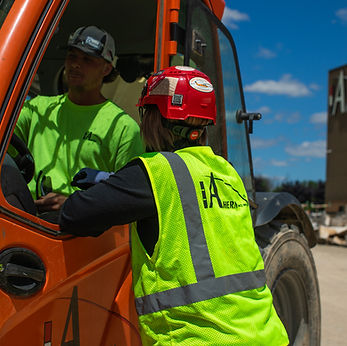
We’re committed to weaving mental health into every part of our safety, health and well-being culture by focusing on three key areas.
Normalizing the Conversation
Encouraging open, judgment-free discussions about mental health.
Handling tough situations
Helping employees feel confident addressing concerns with those they care about whether that’s seeking help or helping another person who is struggling.
Tools &
Support
Providing accessible tools, training, and support systems.


SELF-HELP TOOLS
To use these self‑help tools, you will be prompted to log in to your Lyra account. If you’re new to Lyra, follow the steps in our Get Started Guide to create your account.


mental health
& safety
Mental health challenges are a reality in the construction industry, yet they often go unspoken. When someone is overwhelmed, it can also impact focus and decision-making, which increases the risk of jobsite incidents. By addressing mental health openly, we create a culture where people feel supported and everyone can work, and live, well.
Every statistic represents real people and real experiences. Behind the numbers are coworkers, friends, and family members who have faced these challenges. Sharing those stories matters, and when employees speak up, it helps break stigma, builds understanding, and reminds everyone that no one has to face mental health struggles alone. See how honesty and courage are helping us break the stigma, one employee story at a time.
RECOGNIZING THE SIGNS

WARNING SIGNS OF SUICIDE
BEHAVIORAL CHANGES
-
Withdrawal from friends, family, or activities
-
Increased use of alcohol or drugs
-
Giving away possessions or saying goodbye
-
Sudden mood improvement after a period of depression (can indicate a decision to act)
VERBAL CUES
-
Talking about feeling hopeless, trapped, or being a burden
-
Statements like “I can’t go on,” “Everyone would be better off without me,” or “I just want to end it”
-
Expressing unbearable emotional or physical pain
WHAT TO DO
HOW TO APPROACH SOMEONE
-
Choose a private, calm setting
-
Speak with empathy: “I’ve noticed you seem down lately. How are you really doing?”
-
Listen without judgment and avoid minimizing feelings
-
If you aren’t comfortable approaching someone, please contact a Human Resources Business Partner or a Safety Business Partner so they can provide support
INTERVENTION STEPS
-
If there is immediate danger, CALL 911 or take the person to the nearest emergency room
-
Contact the SUICIDE & CRISIS LIFELINE: DIAL 988
-
Stay with the person until help arrives if they are in crisis